 020 7760 7660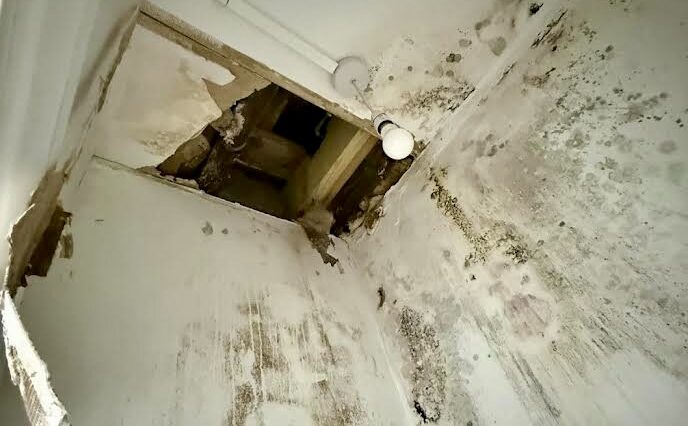
How to Dry Out a Mouldy Flat (Fast & Effectively)
Mould in a flat is more than just an eyesore — it can damage your property, ruin furnishings, and impact health, especially for those with allergies or respiratory conditions.
The key to solving mould problems isn’t just cleaning what you can see — it’s removing the moisture causing it.
In this guide, we’ll describe how to dry out a mouldy flat properly and prevent the problem returning.
Why Does Mould Develop in Flats?
Mould forms when excess moisture builds up and isn’t properly ventilated or removed.
Common Causes of Mould:
- Condensation as a result of humidity from cooking, showering, drying clothes indoors, and other day to day activities;
- Poor ventilation (especially in bathrooms and kitchens);
- Leaks from pipes, roofs, or neighbouring properties
- Rising or penetrating damp
- Cold surfaces where moisture collects
Flats are often particularly vulnerable to mould because they tend to have more limited airflow and often have bathrooms and kitchen without windows for more natural ventilation.
Step-by-Step: How to Dry Out a Mouldy Flat
1. Identify and Fix the Moisture Source
Before anything else, stop the cause of the damp.
- Repair any leaks or water ingress.
- Improve the automatic ventilation in high-moisture areas. For example check the extractor fan is of sufficient strength.
- Reduce indoor humidity where possible. Trickle vents on windows and doors are best left open constantly, to allow a regular turnover of air. Further, managing the atmosphere is often a manual task, for example opening windows when cooking, or during times of peak bathroom use.
- Heating more regularly, particularly of those walls which are prone to being cold (eg solid, external walls) will reduce the chance of condensation forming on the surfaces.
- Hygrometer – use of a hygrometer in each room will help show where an excess humidity may be originating. A suitable target would be 40 – 60%.
Important: If you don’t fix the source, mould will return — no matter how much you clean.
2. Clean and Treat Affected Areas
Once the moisture source is under control:
- Use appropriate mould removal products. There are good bleach-based anti- mould sprays commonly available. Spray application can be wiped away with paper towels. Two applications may be required – the first will remove the bulk of the mould, and the second application will remove the smudges.
- Clean walls, ceilings, window frames, and corners.
- Dispose of heavily contaminated materials if necessary.
Always follow safety precautions, especially in heavily affected areas, and use PPE where required – particularly covering skin and eyes from spray applications.
3. Dry the Entire Flat (Not Just One Room)
Mould often appears in one place — but the underlying moisture problem affects the whole property.
- Open internal doors to allow airflow.
- Ensure all rooms are included in the drying process.
- Pay attention to hidden areas (behind furniture, inside cupboards) where air is stagnant.
- Damp meter – using one will help identify and therefore target those areas most in need of dehumidifying, where dampness may be more ingrained, or a structural dampness issue is the cause.
4. Use a Dehumidifier (Most Effective Step)
A dehumidifier is often fastest and most reliable way to remove moisture from the air and prevent mould from returning.
Unlike ventilation alone, it actively extracts moisture, creating an environment where mould cannot thrive.
Benefits of Using a Dehumidifier:
- Speeds up drying dramatically
- Removes hidden airborne moisture
- Helps prevent mould regrowth
- Improves overall air quality
Need to dry out a mouldy flat quickly?
We provide powerful dehumidifier hire across London and the South East, with fast delivery and expert guidance.
Why Drying Is So Important
Cleaning mould without drying the property is only a temporary fix.
If moisture remains:
- Mould will return within days or weeks, particularly on organic materials such as plasterboard, woodwork, wallpaper or lining paper.
- Odours may persist.
- Damage to walls and furnishings can worsen.
Proper building drying is required to solve the problem long-term. We can advise on suitable equipment.
How Long Does It Take to Dry a Mouldy Flat?
This depends on the severity of the damp and ventilation conditions.
- Minor condensation issues: 1–3 days
- Moderate damp: 3–7 days
- Severe moisture problems: 1–2 weeks+
Using a commercial-grade dehumidifier can significantly reduce drying time.
Preventing Mould from Coming Back
Once your flat is dry, ongoing moisture control is key.
Simple Prevention Tips:
- Keep humidity levels between 40–60%
- Ventilate kitchens and bathrooms regularly
- Avoid drying clothes indoors where possible
- Use a dehumidifier during colder months
- Keep furniture slightly away from external walls
Stay mould-free all year round
Ask us about short-term and long-term dehumidifier hire options.
Why Hire a Dehumidifier Instead of Buying?
For most flats, especially during mould treatment, hiring is the smarter option:
- Access to high-performance commercial units
- Faster, more effective drying
- No large upfront cost
- Flexible rental periods
- Expert advice included
Get fast results without the hassle
Contact us today for reliable dehumidifier hire with next-day delivery in London and the South East
Get Help Drying Your Flat Today
If you’re dealing with mould, acting quickly can save you time, money, and stress.
✔ Powerful drying equipment
✔ Fast delivery across the South East
✔ Expert support and guidance
✔ Ideal for tenants, landlords, and property managers
Call now or request a quote online to get your flat dry and mould-free.
FAQs
How do I permanently get rid of mould in a flat?
You must remove the moisture source and fully dry the property. Cleaning alone won’t prevent it from returning.
Can a dehumidifier stop mould?
Yes — by reducing humidity levels, it dries damp building materials and creates an environment where mould cannot grow.
Is mould dangerous to health?
It can be, particularly for people with asthma, allergies, or weakened immune systems.
Should I open windows to reduce mould?
Yes, ventilation helps — but it’s often not enough on its own. A dehumidifier is often much more effective.
How long should I run a dehumidifier?
Typically continuously for several days during initial drying, then as needed to maintain humidity levels.
At Dehumidifier Rental, we can hire you our energy-efficient models that deliver maximum drying power with minimal electricity use. Our newest models are increasingly economical and are perfect for short-term moisture problems.
We operate in London and the South East of England and are happy to advise what equipment may be suitable. Call us on 020 7760 7660, or email at help@dehumidifier-rental.co.uk Just let us know how many rooms are affected, and their approximate size, and we will give you a quote for suitable equipment.