 020 7760 7660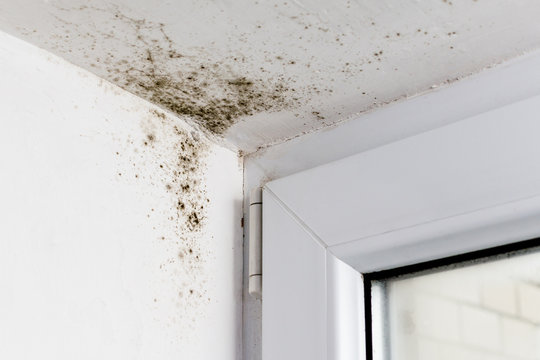
Preventing Mould and Condensation in Your Home
With the colder months of winter coming, we will start to see many more enquiries about condensation and mould. Mould and condensation are two of the most common problems in UK homes, especially during autumn and winter. Left untreated, they can damage your property, cause unpleasant odours, and even affect health. However with the right approach, you can prevent mould growth and reduce condensation before it becomes a serious issue.
What Causes Condensation and Mould?
Condensation forms when warm, moist air hits a cold surface such as a window, wall, or ceiling. Over time, this excess moisture can lead to damp patches and black mould. Common causes include:
- Poor ventilation in kitchens and bathrooms
- Drying clothes indoors
- Inadequate heating or insulation
- High humidity levels
Why Preventing Mould Matters
Mould spores can trigger allergies, asthma, and respiratory problems. It can also damage paintwork, plaster, timber, and soft furnishings. Tackling the root cause of excess moisture is key to protecting both home and health.
Moreover, for landlords, mould and damp are no longer just maintenance issues — they carry legal risk. Under Awaab’s Law (to come into force in the social housing sector from October 2025) landlords will be legally required to investigate and remediate dangerous mould and damp conditions within strict timeframes, with emergency hazards to be addressed within 24 hours and other significant hazards within days. Should a landlord fail to act in compliance, tenants may have legal recourse, and social landlords (and eventually private ones via forthcoming legislation) risk penalties, reputational damage, and compensation claims.
Practical Tips to Prevent Condensation and Mould
- Ventilate Your Home
Open windows when cooking or showering. Use extractor fans where possible. Good airflow reduces trapped moisture and stagnant air. Moisture needs to leave the property. Ensure trickle vents are open constantly. - Control Humidity Levels
A dehumidifier is one of the most effective ways to keep indoor humidity between 40–60%. This prevents condensation and mitigates mould growth. - Insulate and Heat Evenly
Keeping your home at a consistent temperature helps reduce cold surfaces where condensation can form. In cold weather it’s best to keep a low background heat on all day, rather than bursts of high heat when the house is in occupied. - Avoid Drying Clothes Indoors
If you must dry indoors, place clothes in a well-ventilated room with a dehumidifier running. Otherwise a condensing tumble dryer will prevent addition of humidity to the inside space. - Wipe Away Moisture
Regularly wipe down windows, sills, and other surfaces where condensation gathers.
How a Dehumidifier Helps
Dehumidifiers work by drawing excess moisture from the air, preventing damp, condensation, and mould before they take hold. They’re particularly useful in:
- Bedrooms with condensation on windows
- Kitchens and bathrooms with poor ventilation
- Basements and cellars prone to damp
- Homes affected by leaks or flooding
- Acting fast where Landlords are resolving condensation and mould issues.
Hiring a powerful dehumidifier is a quick and cost-effective solution for tackling moisture problems quickly and without needing to invest in permanent equipment. Or hiring a dehumidifier provides the benefit of trying before buying a suitable capacity dehumidifier
Call us at Dehumidifier Rental for free advice on 020 7760 7660.